7 Best Organic Seed Companies for Backyard Gardeners (2026 Guide)
*Affiliate disclosure: This post contains affiliate links. If you purchase through them, I may earn a small commission at no extra cost to you. I only recommend companies I'd actually use in my own backyard.*
There are two kinds of gardeners.
The first kind grabs whatever seed packet looks good at the hardware store in March, plants them, and spends the summer wondering why their tomatoes taste like disappointment. The second kind does a little research upfront, sources genuinely good seeds, and ends up with a garden that actually produces.
If you're reading this, you're the second kind.
Organic seeds aren't just a feel-good purchase. They come from plants grown without synthetic pesticides or fertilizers, which means they've already proven themselves in clean soil conditions — conditions closer to what most backyard gardeners are trying to achieve. They're also not genetically modified, and when you buy from the right companies, you're supporting small family farms that have been doing this for decades.
I've pulled together the seven best organic seed companies for home gardeners based on certification credibility, variety selection, shipping reliability, and customer track record. Then at the bottom, I'll show you the single step most gardeners skip after ordering seeds — and how to fix it.
---
Quick Picks at a Glance
- Wood Prairie Family Farm — Best overall; certified organic seed potatoes, vegetables, herbs, and more. Use code PMG5 for 5% off.
- High Mowing Organic Seeds — Largest variety selection from a fully organic company; ideal for cold climates.
- Seed Savers Exchange — Best for heirloom preservation and rare open-pollinated varieties.
- Baker Creek Heirloom Seeds — Best for unusual and international varieties; massive selection.
- Fedco Seeds — Best budget-friendly option; worker-owned co-op (seasonal ordering).
- Territorial Seed Company — Best for Pacific Northwest gardeners; trial-backed variety notes.
- Johnny's Selected Seeds — Best for consistent, professional-grade reliability.
- Got your list? Nail the timing next — PlanMyGarden (that's us) turns your seed order into a free zip-based planting calendar: when to start indoors, transplant, and direct sow. Build yours free
🧄 Ordering for fall? Don't skip seed garlic. Garlic is the one crop you plant a few weeks before your first fall frost and harvest next July — and fall is when seed garlic ships. Wood Prairie grows certified organic seed garlic on their Maine farm: reserve yours at woodprairie.com — code PMG5 for 5% off. Not sure when garlic goes in for your zip? Full guide: when to plant garlic, zone by zone.
---
1. Wood Prairie Family Farm — Best Overall Pick
Website: woodprairie.com
If I had to choose only one organic seed company to recommend to a backyard gardener, Wood Prairie Family Farm would be it — and it's not particularly close.
This is a certified organic family farm on the edge of Maine's North Woods that has been farming organically for 50 years. They've been certified organic by MOFGA (Maine Organic Farmers and Gardeners Association, fully accredited by the USDA National Organic Program) since 1982. That's not a badge they picked up recently for marketing purposes. It's four decades of documented commitment to organic practices before most people were even talking about it.
What They Sell
Wood Prairie's headline product is their Certified Maine Seed Potatoes — arguably the best source for organic seed potatoes available to home gardeners in the country. They grow the seed potatoes themselves, on-farm, and ship from their own cold storage year-round to all 50 states. If you've ever tried to grow potatoes from grocery store spuds and wondered why they performed so poorly, it's because store potatoes are often treated with anti-sprouting agents and aren't bred for yield.
Beyond potatoes, they carry:
- Organic Vegetable Seeds — tomatoes, peppers, squash, dry beans, corn, and more
- Organic Herb Seeds — basil, dill, parsley, thyme, sage, and a well-curated selection
- Organic Flower Seeds — for pollinators and cut-flower arrangements
- Organic Cover Crop Seeds — for gardeners serious about building soil health
- Organic Live Plants — sweet potato slips, bare-root strawberry plants, onion plants (spring), seed garlic (fall), and tabletop mushroom kits year-round
Everything sold on their site has been certified organically grown — either on their own farm or by other verified certified organic farmers. They signed the Safe Seed Pledge early and have no business relationship with Monsanto or any genetically engineered seed suppliers.
Why Backyard Gardeners Love Them
The reviews tell the story. Customers consistently mention the same things: strong germination rates, varieties you can't find at the hardware store, and a family staff that actually answers questions. One reviewer who'd been ordering for eight years noted the potatoes never disappoint. Another mentioned calling with questions and getting a thorough, personal response. That's the texture of a real family farm, not a fulfillment center with an organic label.
The Honest Downside
Wood Prairie doesn't have the sheer variety count of a catalog like Johnny's or Baker Creek. Their selection is focused and curated — which is actually a feature for most home gardeners who get overwhelmed by a 300-variety tomato selection — but if you're hunting for a very specific obscure cultivar, you may need to supplement with a second source.
→ Browse Wood Prairie's full seed catalog: woodprairie.com — use code PMG5 for 5% off your order.
---
2. High Mowing Organic Seeds — Best for Variety Depth
Website: highmowingseeds.com
High Mowing Organic Seeds, based in Vermont, offers over 700 certified organic seed varieties — one of the largest selections available from a fully organic company. They initiated the Safe Seed Pledge in 1999 and became Non-GMO Project verified in 2014. They have their own testing lab and maintain strict germination standards.
Their specialty is cold-climate performance. If you're gardening in New England, the upper Midwest, or anywhere with short seasons and unpredictable springs, High Mowing has done the trial work for your conditions. Their variety notes are detailed and genuinely useful for zone-specific planning.
For backyard gardeners who want maximum variety options while staying fully organic, High Mowing is the strongest choice.
→ Shop High Mowing Organic Seeds: highmowingseeds.com
Build your free planting calendar at PlanMyGarden — zip-based dates for everything you just ordered.
---
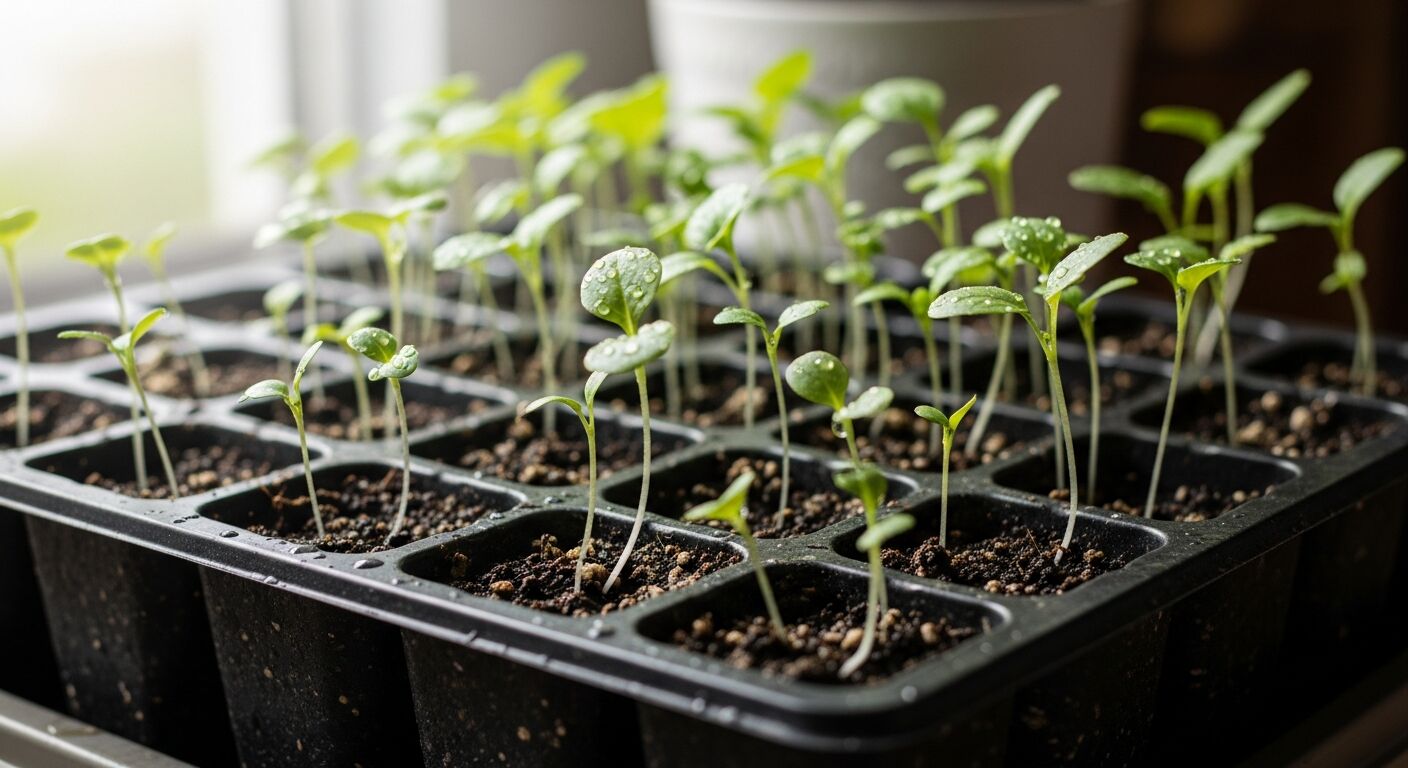
!Young vegetable seedlings sprouting in seed starting trays — timing your planting is everything
3. Seed Savers Exchange — Best for Heirloom Preservation
Website: seedsavers.org
Seed Savers Exchange is a nonprofit based in Iowa that exists specifically to preserve heirloom and open-pollinated seed varieties. Their catalog is remarkable for its depth of truly rare varieties — the kinds of tomatoes, beans, and squash that nearly disappeared from commercial agriculture and exist now only because organizations like Seed Savers kept growing them.
If you care about seed saving yourself — growing a variety, letting some plants go to seed, and saving those seeds for next year — Seed Savers is the right company to shop from. Their varieties are open-pollinated, which means the seeds you save will grow true to type.
They carry certified organic selections as well as non-certified heirlooms. Their mission makes them worth supporting even beyond the seeds themselves.
---
4. Baker Creek Heirloom Seeds — Best for Rare and Unusual Varieties
Website: rareseeds.com
Baker Creek is the largest heirloom seed company in the United States, with a catalog that includes varieties from over 70 countries. If you're looking for a purple Cherokee tomato, a white cucumber, or a bean variety that's been grown in one region of Eastern Europe for 200 years, Baker Creek probably has it.
They are not exclusively certified organic, but they focus on heirloom and open-pollinated varieties and have signed the Safe Seed Pledge. For gardeners who prioritize genetic diversity and unusual growing experiences over strict organic certification, they're an excellent source.
---
5. Fedco Seeds — Best Budget-Friendly Option
Website: fedcoseeds.com
Fedco is a worker-owned cooperative based in Maine that has been supplying organic and open-pollinated seeds to New England gardeners for decades. Their prices are genuinely lower than most competitors — partly because their catalog is printed simply and they don't spend heavily on marketing.
Their organic selection is strong, particularly for cold-hardy vegetables and cover crops. The catalog itself reads like it was written by people who actually grow food for a living, full of useful notes on variety performance and specific growing conditions.
Note: Fedco is seasonal. They take orders from roughly October through May and close ordering during the summer growing season. Plan accordingly.
---
6. Territorial Seed Company — Best for Pacific Northwest Gardeners
Website: territorialseed.com
Territorial is based in Oregon and focuses heavily on varieties that perform well in the Pacific Northwest — a climate with cooler summers, wet springs, and conditions that can be challenging for heat-loving crops. They trial varieties on their own farm before adding them to the catalog, which gives their recommendations real-world credibility.
If you're gardening west of the Cascades, Territorial deserves a serious look. Even if you're not, their trial notes and growing guides are among the most useful in the industry.
---
7. Johnny's Selected Seeds — Best for Consistent Reliability
Website: johnnyseeds.com
Johnny's is based in Maine and operates as an employee-owned company. They serve both home gardeners and small commercial farms, which means their quality standards are high and their variety selections are well-tested. They carry certified organic options across most of their categories.
Johnny's is the most "professional" feeling of the companies on this list — their catalog is detailed, their germination standards are strict, and their growing guides are excellent. If you want a company that's going to be exactly what it says on the packaging, Johnny's delivers that reliably.
---
Why Certified Organic Seeds Matter More Than Most Gardeners Realize
The case for organic seeds isn't just philosophical. It's practical.
Seeds have a memory. A seed that was grown in healthy, compost-fed organic soil has developed in conditions closer to what you're trying to create in your backyard garden. Conventional seeds, by contrast, are often bred to perform well in synthetic-fertilizer environments. That's a mismatch with organic growing methods from day one.
Certification means documentation. When a company says "certified organic," they're not just using a marketing word. They're operating under a USDA-regulated certification program that requires annual inspections, detailed farm plans, and third-party verification. Companies like Wood Prairie that have maintained certification since the 1980s have a paper trail that's genuinely meaningful.
Non-GMO is a subset, not a synonym. Non-GMO seeds are not the same as organic seeds. A seed can be non-GMO and still be grown with synthetic pesticides and fertilizers. If you're building an organic garden, you want seeds that are both non-GMO and certified organic.
---
The Step Most Gardeners Skip After Ordering Seeds
Here's what I see happen every spring: a gardener does the research, orders great seeds from a company like Wood Prairie, the seeds arrive — and then they sit in a drawer because the gardener isn't sure when to plant them.
Timing is everything with organic seeds. Start tomatoes too early and you're transplanting into cold soil that stresses the plants. Start peppers too late and they never hit their stride before the season ends. Seed potatoes have a planting window tied to your last frost date and soil temperature. Get the timing wrong and the seeds almost don't matter.
This is exactly why we built PlanMyGarden.com — a free garden planning tool that tells you exactly when to start seeds indoors, when to transplant, and when to direct sow, based on your specific growing zone and what you're planting.
You tell it what you ordered. It builds your planting calendar.
→ Build your free planting schedule at PlanMyGarden.com
It takes about five minutes to set up and it's the single thing that makes the biggest difference between gardeners who get great results and gardeners who don't.
---
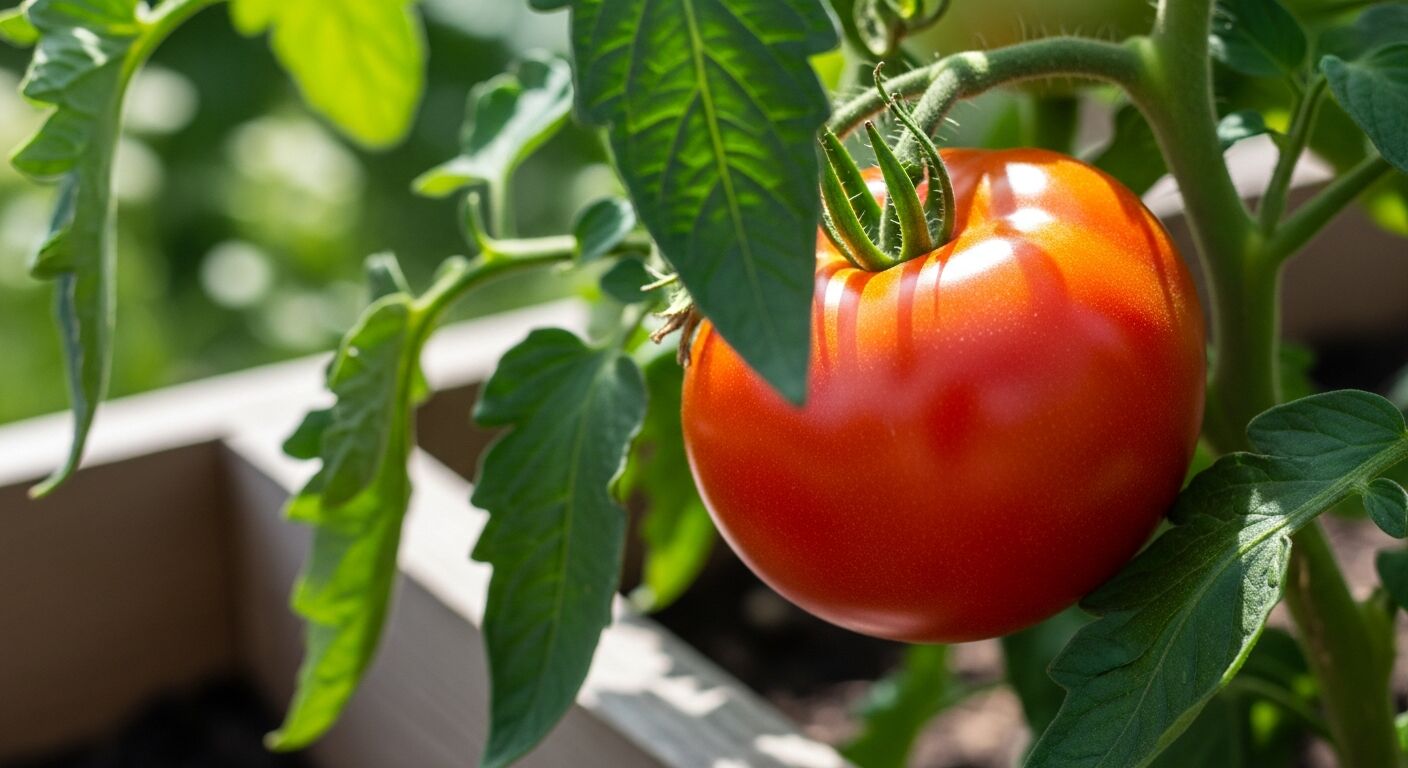
!Thriving organic raised bed vegetable garden in summer — the payoff of starting with great seeds
Final Thoughts: Start With Good Seed
Every productive garden starts the same way: with a good seed from a trustworthy source.
Wood Prairie Family Farm has been doing this for 50 years with full organic certification and a reputation for exceptional quality. That's where I'd start, especially if you're growing potatoes (their specialty) or building out a well-rounded organic vegetable garden. Use code PMG5 at checkout for 5% off.
Once you have your seeds sorted, don't let them sit in a drawer. Come build your planting schedule at PlanMyGarden.com — free, zone-specific, and built exactly for the home gardener who wants to stop guessing at timing.